Table of Contents
Introduction of Sedona Vortex & Spiritual
So you’ve heard about Sedona’s vortexes and you’re not sure if it’s legit or just a clever tourism racket. Fair question. I thought the same thing before I actually went.
Sedona, Arizona sits in the middle of red rock country and pulls in roughly three million visitors a year. A chunk of those people come specifically for the vortex Sedona is famous for — spots where locals and longtime visitors swear the energy feels different. Whether you believe in the metaphysics or not, the hiking out here is world-class. That part’s not up for debate.
What’s a Vortex, Actually?
Let’s get the basics out of the way. A vortex (Sedona locals say “vortexes,” not “vortices,” FYI) is a spot believed to emit swirling energy from the earth. People describe feeling tingling sensations, sudden emotional releases, or a general sense of mental clarity at these sites.
Science hasn’t confirmed any of it. But here’s what’s at least interesting: the juniper trees near several of these sites grow in unusual spiraling patterns — twisted trunks, corkscrew branches, leaning in ways you don’t see elsewhere in the region. The geology is also genuinely strange. Make of that what you will.
There are four main sites most guides send you toward:
- Airport Mesa — easiest access, great panoramic views, described as an “upflow” energy site
- Bell Rock — popular with hikers who want elevation; energy here is described as active and outward-focused
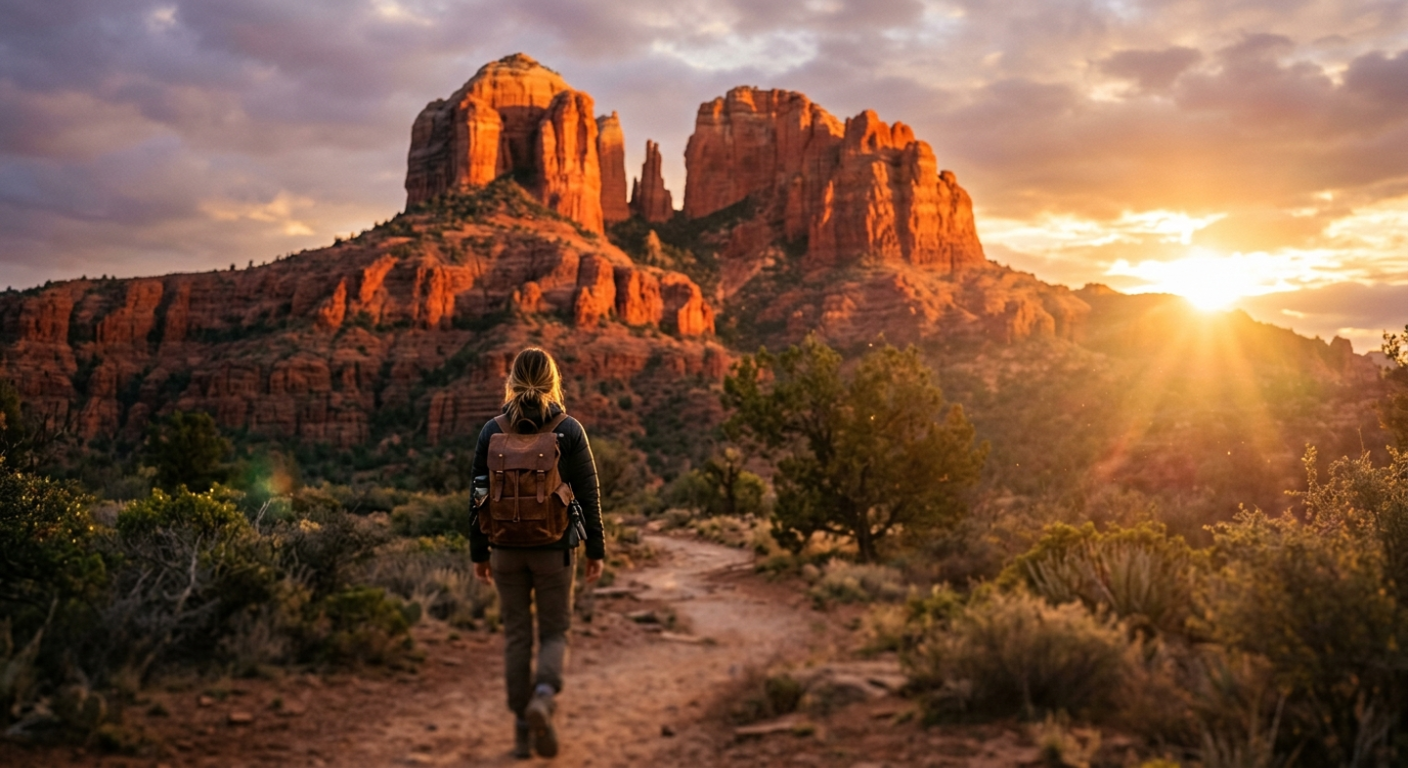
- Cathedral Rock — one of the most photographed formations in Arizona; considered a balanced vortex
- Boynton Canyon — longer trail, more remote; often described as the most emotionally intense of the four
Airport Mesa: Best Bang for Limited Time
If you’re doing one vortex hike, Airport Mesa gives you the fastest return. The main overlook is a five-minute walk from the parking area. You get sweeping views of the red rocks in every direction, sitting right on Sedona’s western edge.
That said, don’t stop at the overlook. The full loop runs about 3.5 miles and follows a ridge where the views hold up the entire way. Most people rush through in 45 minutes. Take two hours. If you’re looking for a deep dive into the logistics of this specific ridge, check out why the Airport Mesa Trail Sedona is often called the best easy hike in the city. That’s kind of the whole point of coming here.
Parking heads-up: You’ll need a Red Rock Pass ($5/day or $15/week) at most trailheads. The lot at Airport Mesa fills fast on weekend mornings. Get there before 8am or after 3pm and you’ll be fine.
Bell Rock: For People Who Want a Real Scramble
Bell Rock looks exactly like what it’s named after — a massive sandstone formation shaped like a bell. The base trail is flat and easy. But most people who come here want to scramble up the rock itself, and that’s where it gets good.
There’s no marked summit trail. You pick your line and climb. Since parking and trailheads can be a headache here, follow these 10 easy steps to plan your visit to the Bell Rock Pathway to avoid the morning chaos.
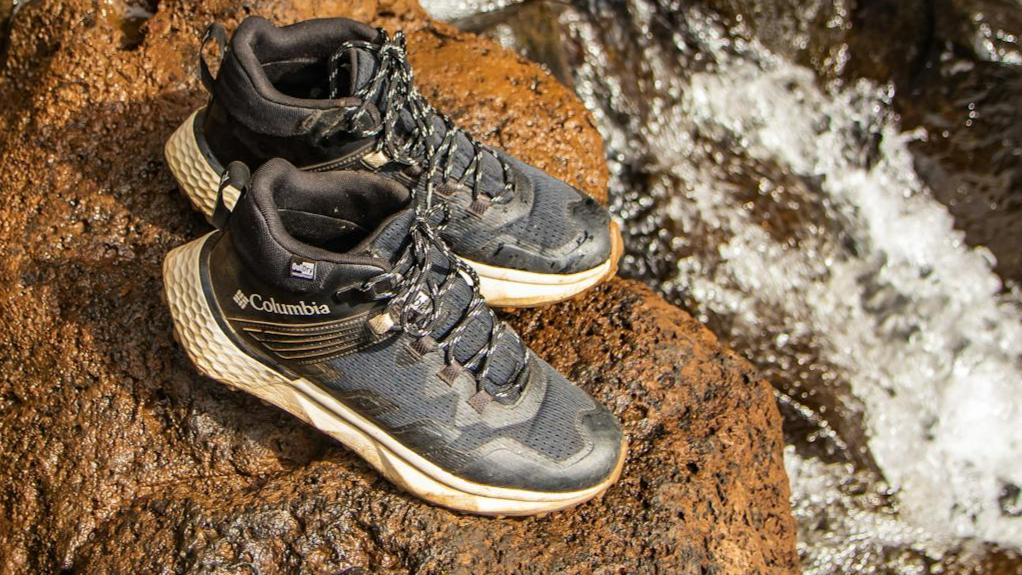
The rock surface is grippy enough that special shoes aren’t required, but wear something with actual soles. Sandals are a bad idea here, and I’ve personally watched people work that out the hard way :/
The views from partway up show the whole Verde Valley spread out below you. If you’re bringing kids, the lower section of the scramble works for most ages — eight and up, roughly, if they’re comfortable on uneven terrain.
If the scramble up Bell Rock feels too intense, the Courthouse Butte Loop Trail is a fan-favorite flat route that circles the massive formation.
Cathedral Rock: The One That Actually Gets You
Cathedral Rock is where I’d send a skeptic first. Not because the vortex will convert them — not making any promises — but because the trail ends at a creek crossing and a natural amphitheater that’s one of the best places I’ve sat quietly in a long time.
The hike itself is short, around 1.5 miles round trip, but steep. There’s a section near the top that requires hands and feet. It’s worth the awkwardness. The formation towers above you and does something odd to sound — it gets very quiet up there even when other hikers are around.
Best time: Sunset. Cathedral Rock faces west and the light turns the stone a sequence of colors that sounds made-up when you try to describe them afterward. Burnt orange, deep red, then purple shadow. Just go see it.
Boynton Canyon: The One Most People Skip
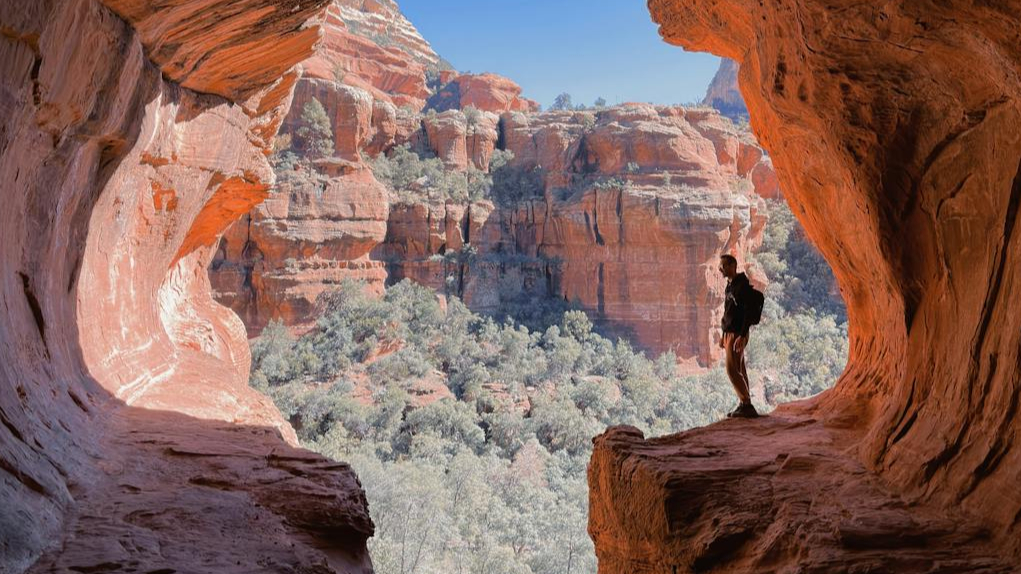
Boynton Canyon is what gets skipped because it’s longer — 6.5 miles round trip — and further from downtown. That’s also exactly why it’s worth the effort.
Spot ruins and wildlife; it feels ancient. Love the idea of finding hidden geological features? You’ll also want to check out the Fay Canyon Arch Hike nearby—it’s one of the easiest ways to see a natural arch in the area.
The trail runs through a canyon with walls on both sides and passes two side formations called the “Warrior” and the “Kachina Woman,” which local Yavapai Apache tradition holds as spiritually significant.
This is probably the most Sedona spiritual experience you can have on foot — land with real cultural history behind it, not just scenery. Slowing down to acknowledge that is part of the experience.
IMO this trail hits differently in the morning when the canyon is still in shade. The air smells like juniper. The light comes in slowly over the rim. You’ll probably see deer. Bring more water than you think you need.
The Practical Stuff That Actually Matters
Getting There
Sedona is about two hours north of Phoenix and 30 minutes south of Flagstaff. Driving is your only realistic option — there’s no useful public transit. Rent a car if you’re flying in.
When to Go
- Spring (March–May): Best overall. Mild temps, wildflowers, some crowds on weekends.
- Fall (September–November): Also strong. Cooler air, slightly fewer people than spring.
- Summer: Hot. Triple digits happen in the valley. Start hiking before 7am or skip it.
- Winter: Surprisingly good during a clear week. Snow on red rocks looks unreal. Ice on shaded trails is a real hazard though, so check conditions.
What to Bring
Pack at least 2 liters of water per person for any hike over 3 miles. The elevation sits around 4,500 feet and the UV is stronger than it feels.
Bring layers — morning temps can run 20 degrees cooler than afternoon. Purchase your Red Rock Pass at Recreation.gov ($5/day or $15/week) at most trailheads—buy your Red Rock Pass online in advance to skip the kiosk lines.
On the Meditation Question
A lot of people come specifically to meditate at these sites. If that’s you, go before 8am when the spots are quiet. Bring a sit pad or a blanket. On busy weekends, expect company.
Some visitors hire a vortex guide, which typically runs $75–$150 for a couple hours. These guides vary a lot. Some know the land’s geology and cultural history cold. Others lean hard into the mystical sales pitch. Read reviews before booking.
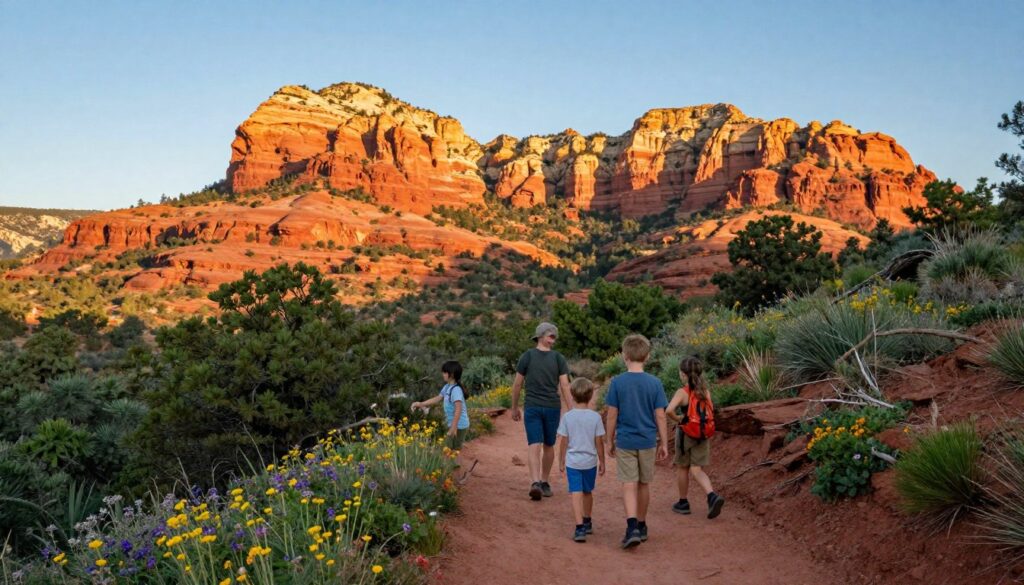
You don’t need a guide to tell you how to feel. If you are traveling with kids or just want a stress-free afternoon, I’ve put together a list of the 7 top trails for families
and 6 easy Sedona hikes anyone can do that still deliver the views without the vertical climb.
A Few Things That’ll Save You Grief
Don’t move the rock cairns. People build them at vortex sites and disturbing them is considered disrespectful — plus they actually help with navigation.
Stay on marked trails. The red rock is fragile and the cryptobiotic soil crust around it — that dark, lumpy-looking ground — takes decades to recover from footprints. It’s not just a suggestion.
Parking in Sedona on busy weekends is genuinely a disaster. The town runs a free shuttle system called the Sedona Roadrunner. Use it when you can. Your blood pressure will thank you.
Beyond Hiking: Other Spiritual Things to Do in Sedona
The vortex hikes get most of the attention, but there are other spiritual things to do in Sedona worth knowing about — especially if you’re spending more than a day.
- Sound baths — Several wellness centers in town run group sound bath sessions using crystal bowls and Tibetan instruments. An hour in one of these after a full day of hiking is hard to beat.
- Tlaquepaque Arts Village — Not a wellness spa, but the architecture and courtyard layout were designed around the land’s energy. Worth wandering through slowly.
- Amitabha Stupa & Peace Park — A short walk through a quiet trail ending at a Tibetan Buddhist stupa. Free to visit, open during daylight. Genuinely peaceful even if spirituality isn’t your thing.
- Stargazing — Sedona sits in a dark sky zone. On a clear night, pull over anywhere outside town and look up. No app required.
None of these cost much, and most cost nothing. The vortexes are the main event, but the town rewards people who slow down and wander.
FAQs About Sedona Vortexes
What is a vortex in Sedona?
A vortex in Sedona is a site where the earth is believed to emit concentrated upwelling or inward-spiraling energy. The short version: locals and visitors describe these spots as places where you feel more alert, emotional, or grounded than usual — sometimes all three at once.
The four main sites are Airport Mesa, Bell Rock, Cathedral Rock, and Boynton Canyon. Whether the energy is geological, spiritual, or just the result of being somewhere genuinely quiet and beautiful, people keep coming back.
What is the most powerful vortex in Sedona?
Most people who’ve been to all four point to Boynton Canyon or Cathedral Rock as the most intense. Boynton Canyon sits on land the Yavapai Apache consider sacred, and the trail runs you through a narrow canyon that does something to the atmosphere you don’t quite shake off.
Cathedral Rock tends to hit harder emotionally — a lot of people report unexpected feelings there, which sounds strange until it happens to you. Bell Rock gets called the most “energizing,” while Airport Mesa is considered gentler. That said, this stuff is personal. The most powerful vortex in Sedona is honestly the one that does something for you.
Where is the vortex in Sedona, Arizona?
The four main vortex sites sit within a few miles of downtown Sedona. Airport Mesa is right off Airport Road on the west side of town — probably the easiest to reach. Bell Rock and Cathedral Rock are both off Highway 179 heading south toward the Village of Oak Creek, about 4–5 miles from the town center.
Boynton Canyon is the furthest out, about 6 miles northwest of downtown via Dry Creek Road. You can hit all four in a full day if you start early, though rushing them defeats the purpose.
Do you need a guide to experience the vortexes?
No. All four sites are on public land and free to access (you just need a Red Rock Pass for parking). That said, a knowledgeable guide can give context about the geology, Yavapai Apache history, and what to actually pay attention to at each site.
If you hire one, look for someone who talks as much about the land’s history as the energy. If the pitch is mostly crystal-focused upselling, keep looking.
Is there a best time of day to visit the vortex sites?
Early morning is the move — before 8am if you can manage it. The sites are quiet, the light is good, and you’re not sharing the space with tour groups. Sunset at Cathedral Rock is the one exception worth fighting the crowds for. Midday on weekends is the worst time across the board. The vortex experience and the parking situation both suffer.
Can you feel the vortex energy if you’re not spiritual?
Plenty of skeptics report noticing something at these sites — usually described as a physical sensation, a mental quieting, or just an unusual sense of focus.
Whether that’s vortex energy or the cumulative effect of hiking in high desert air at 4,500 feet with your phone in your pocket, it’s hard to say. You don’t need to arrive with any particular belief. Most people find the hikes worth it regardless of what they make of the energy question.
So, Do the Vortexes Actually Do Anything?
Honest answer: I don’t know, and I’m not sure it matters that much.
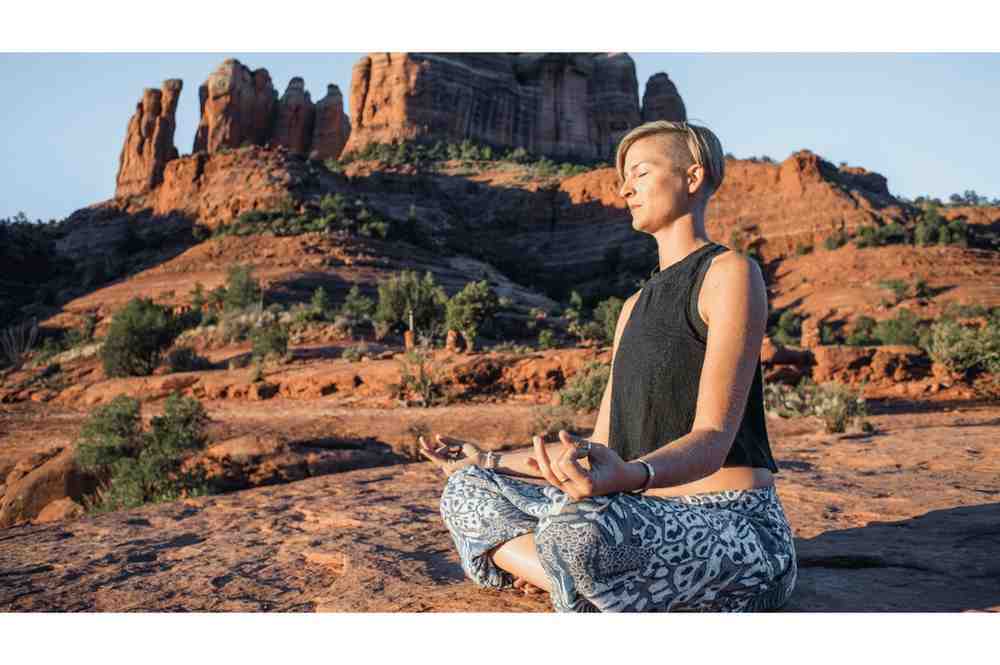
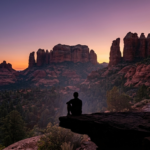
What I do know is that sitting alone on Cathedral Rock at sunset, with the valley going quiet and the light doing its thing — something shifted.
The noise in my head got turned down. Whether that’s vortex activity or just what happens when you unplug, hike hard, and sit still somewhere that earns your attention, I’ll leave that open.
Sedona is worth the trip either way. Go hike it. Sit somewhere. See what happens 🙂